

What are environmental toxins and how can they affect our health?
In today's environment, people come into contact with a variety of chemical substances. Some of these substances are well researched, others are still being scientifically investigated for their possible effects. In principle, the human body has its own mechanisms for processing and excreting such substances. Under certain circumstances, however, this exposure can be perceived as high.
Environmental toxins can enter the body via different routes. In addition to intake via food and air, it is also being discussed that certain substances can be passed on prenatally. The most frequently mentioned routes include
- Skin (e.g. via cosmetics and care products)
- Respiratory tract (e.g. air pollutants, tobacco smoke)
- Oral mucosa (e.g. dental materials)
- Digestive tract (e.g. food, drug residues)
Glyphosate - a much-discussed herbicide
Glyphosate is one of the most frequently used herbicides in the world. Production volumes have increased significantly in recent decades. Scientific and social debates are discussing the effects that residues of this substance could have on the environment and human health.

Studies show that glyphosate residues can be detected in environmental samples and also in human excrement. Some experimental studies indicate that the substance could affect biological processes. However, some of these results originate from cell or animal models and cannot be easily transferred to humans.
The WHO's International Agency for Research on Cancer (IARC) classifies glyphosate as "probably carcinogenic". Other authorities have come to different conclusions. The scientific debate continues to be the subject of intensive research.
Fluoride - effect depends on the dose
Fluoride is a natural component of the environment and is used in dental care products, among other things. In science, the decisive factor for possible effects is the amount ingested. Very high fluoride intakes can cause long-term health problems, as is known from regions with drinking water containing high levels of fluoride.
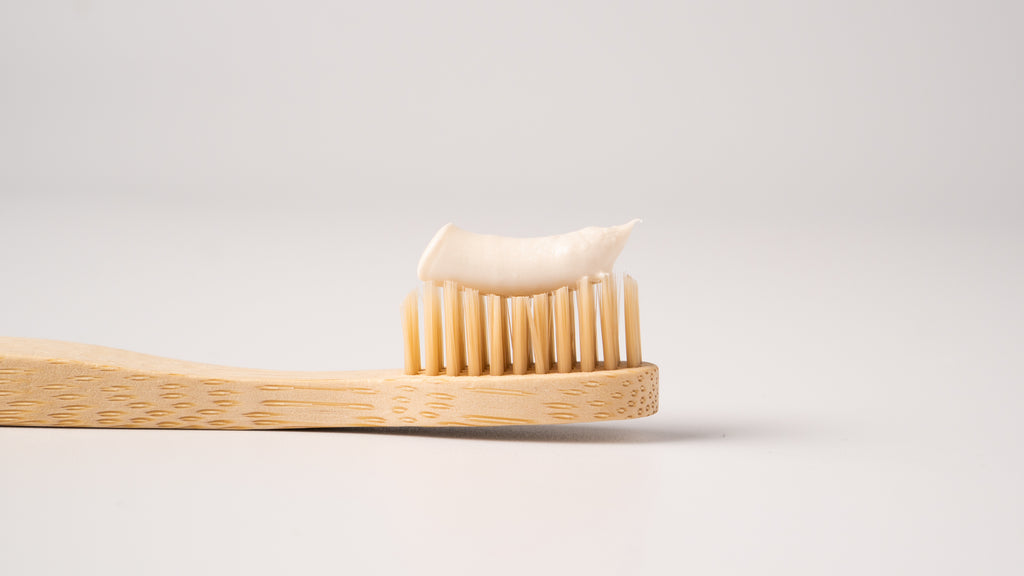
Some studies have looked at possible links between high fluoride exposure and changes in the nervous system. These results are the subject of scientific debate and are not uniformly evaluated.
Environmental toxins and brain development
The prenatal development period is considered to be particularly sensitive. Studies show that residues of various environmental chemicals can be detected in the blood of newborns. The long-term effects of this are the subject of current research.
Heavy metals such as lead, mercury and arsenic are suspected of influencing neurological development processes. Here too, the effects depend on the type, duration and level of exposure.
Link between environmental toxins and body weight
A number of scientific studies deal with the question of whether environmental toxins can influence the metabolism. Among other things, effects on hormone regulation, intestinal flora or fat cells are being discussed. However, direct cause-and-effect evidence is complex and not clearly proven.

Gut, immune system and environmental pollution
The gut plays a central role in the immune system. Certain environmental substances can influence the composition of the intestinal flora. Altered intestinal flora is associated with various health issues in research.

Why many people think about detoxification and cleansing
The body has natural detoxification organs such as the liver, kidneys and intestines. A conscious lifestyle can support these functions. In this context, many people are interested in measures to reduce their daily exposure to harmful substances.

Diet as a possible influencing factor
Diet is considered to be one of the main sources of environmental pollution. Fresh, preferably unprocessed food from controlled cultivation is often recommended as part of a conscious lifestyle.
Fermented foods, fruit, vegetables, seeds and high-quality fats can contribute to dietary diversity. The conscious use of packaging and additives is also discussed.

Choosing everyday products consciously
Cosmetics and hygiene products can contain ingredients that are critically questioned by consumers. A look at the declaration can help to make informed decisions.
Medical disclaimer:
The content provided here is for general information and education purposes only. It does not constitute medical advice and is not a substitute for professional advice from doctors or pharmacists. If you have any health complaints, please contact a qualified specialist.

