

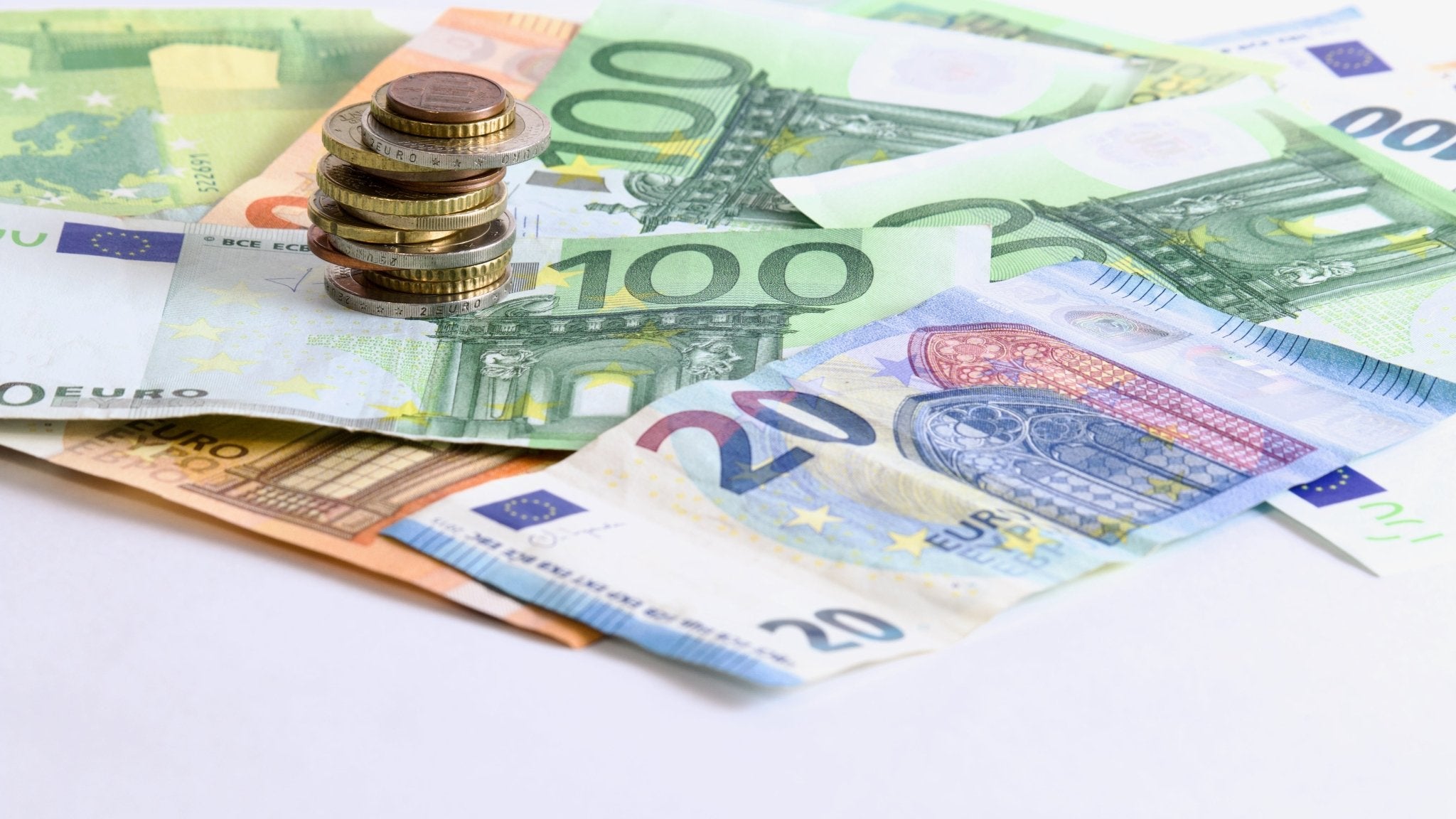
EU asset register: the transparent citizen becomes reality
The EU is pushing ahead with a far-reaching registration of private assets. Officially, the aim is to combat money laundering and terrorist financing. However, the overall aim is to create an infrastructure that fundamentally changes financial privacy - in the direction of comprehensive transparency and potential control.
What is planned
The core of the plans is an EU-wide comparison and the possible merging of existing data sources. Among other things, this could include
- Bank accounts and payment transactions
- Real estate and land registers
- Securities and company shareholdings
- Precious metals and other tangible assets
- Crypto assets and wallet allocations
- Luxury goods (e.g. yachts, art)
The projects are accompanied by a centralization of supervision and analysis competencies at EU level.
Current status (as at 30.09.2025)
- Legal basis tightened: The EU AML package has significantly expanded transparency, due diligence and reporting standards.
- AMLA ready to go: The new EU Anti-Money Laundering Authority (AMLA) based in Frankfurt performs operational tasks and can intervene in high-risk cases.
- No full EU register active: A central register that covers all types of assets of all citizens is not currently in force. Political discussions focus on linking existing national registers and EU-wide data exchange.
- Thresholds & scope open: Concrete, uniformly defined thresholds or complete asset coverage have not been finally decided. However, the direction is clearly pointing towards greater data depth and interoperability.
- Conclusion on the status: The architecture for significantly more financial transparency is politically and organizationally well advanced; the step towards comprehensive asset reconciliation depends on further legislation and national implementation.
Note: Public communication and media reports are sometimes contradictory. Where details (e.g. fixed thresholds) are mentioned, these have not yet been legally standardized across the EU.
Official purpose - and the real danger
The argument is to combat money laundering, terrorist financing and tax evasion. In reality, however, an instrument of power is being created that structurally reduces financial privacy and facilitates interference.
- Transparent citizen: transactions and holdings can be systematically analyzed.
- Asymmetry of power: The state gains superiority in terms of data and intervention, while the individual loses informational self-determination.
- Crisis mode risk: In exceptional situations, special levies and restrictive measures can take effect more quickly.
What this means for citizens
- Increasing reporting and documentation obligations for financial service providers and transactions
- Restrictions on the use of cash and greater traceability of value movements
- Increased attention for crypto-assets, including origin and due diligence checks
The sum of these developments leads to a significantly lowered threshold for analysis and intervention - technically, organizationally and legally.
Possible consequences
- New or extended levies on capital, tangible assets or transactions
- Automated anomaly checks with potential account flags or temporary blocks
- EU-wide use of data for investigation, tax and sanction purposes
Conclusion: time for decentralized alternatives
The direction is clear: more data depth, more exchange, less financial privacy. If you want to preserve sovereignty, you need decentralized structures in which identity, communication and values do not depend on a central authority.
Sourceless offers a practical approach to organizing digital identity, communication and financial functions in a decentralized manner - with a focus on data sovereignty and resilience to central intervention.
Read more
Blocking accounts without a court: the EU makes banks the extended arm of the tax authorities
Whether receiving money, transferring money or withdrawing cash - every citizen is under general suspicion.With silent changes to general terms and conditions, reversal of evidence and the new EU a...
Read more
The end of the financial world as we know it - 7 warning signs you can no longer ignore
Something is wrong. Prices are rising, loans are faltering, uncertainty is spreading - while officials are talking about a "robust economy". Behind the headlines, however, a silent storm ...
Read more