

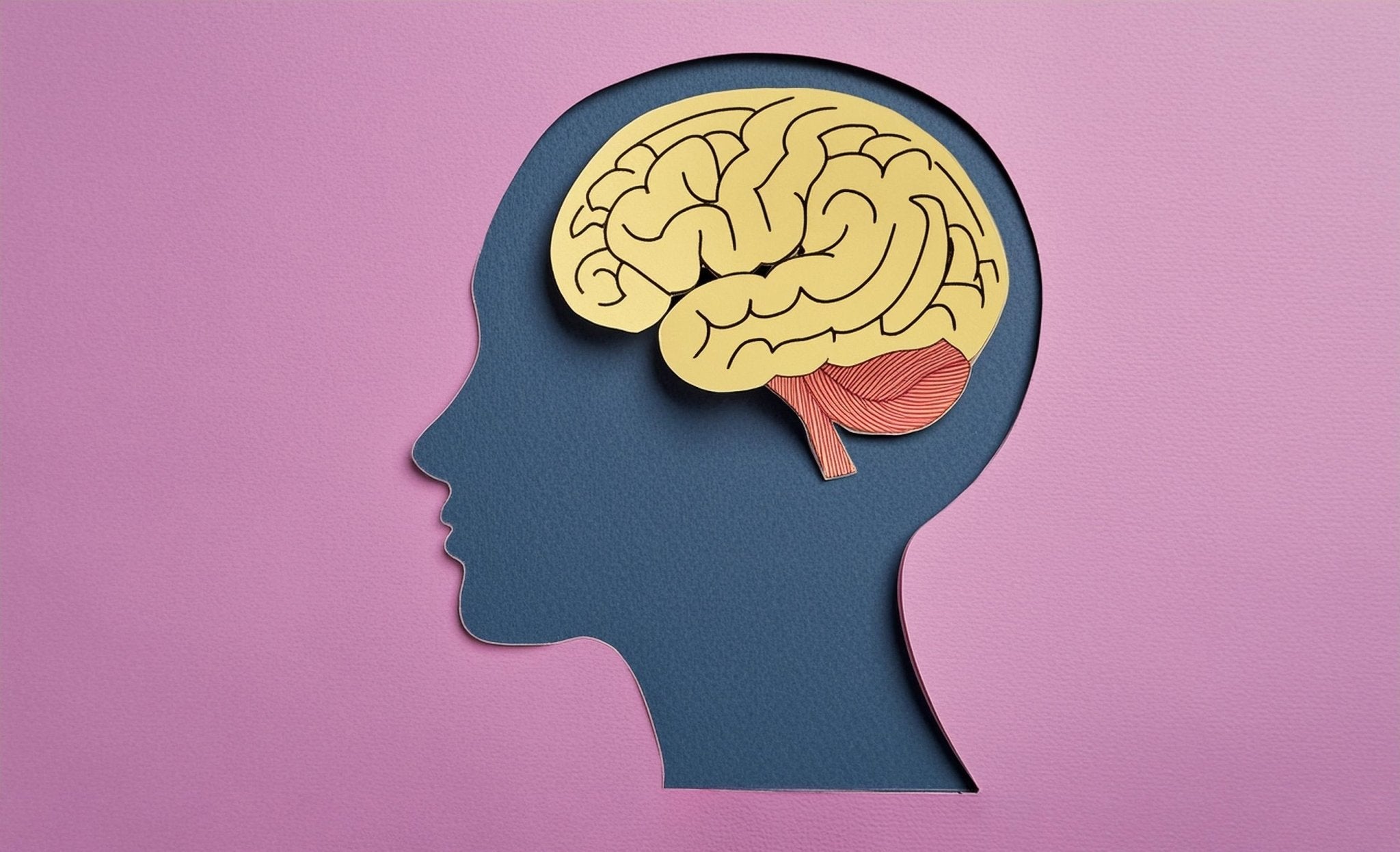
Dr. Michael Nehls: The importance of brain health - curability of dementia and Alzheimer's disease
The importance of brain health
In the digital age, information and technology are increasingly taking control of key areas of our lives.
As a result, the importance of brain health is becoming ever more apparent.
Dr. Michael Nehls, molecular geneticist and immunologist, highlights the central role of the hippocampus in his research.
This brain region is crucial for memory, mental resilience, self-reflection and creative thinking.
A healthy hippocampus is therefore essential for well-being and cognitive performance.
The hippocampus as the key to mental health
The hippocampus is a central structure of the brain.
It controls autobiographical memory, the processing of emotions and the planning of future actions.
A healthy hippocampus enables us to learn from the past, consciously shape the present and make well-founded decisions for the future.
These abilities are fundamental for autonomy, creativity and adaptability.
Adult hippocampal neurogenesis
The ability of the hippocampus to form new nerve cells in adulthood is particularly relevant.
This neurogenesis is crucial for adaptation, learning and memory renewal.
The attack on the hippocampus
In interviews and his book "The indoctrinated brain", Dr. Nehls warns against targeted external influences.
He describes a systematic weakening of neurobiological mechanisms.
The aim is to reduce mental performance and independent thinking.
Chronic stress, poor nutrition, lack of exercise and sleep disorders significantly impair neurogenesis.
In combination, these factors pose a massive threat to brain health.
A weakened hippocampus increases susceptibility to depression and cognitive impairment.
Dementia and Alzheimer's from Dr. Nehls' perspective
Dr. Nehls is of the opinion that dementia and Alzheimer's are not necessarily irreversible diseases.
He describes Alzheimer's as the result of disturbed neurogenesis in the hippocampus.
Degenerative processes can be halted or partially reversed by adopting an appropriate lifestyle.
This lifestyle includes diet, exercise, sleep and stress reduction.
The regenerative capacity of the hippocampus plays a central role in this.
Vaccines and neurobiological interventions
Another focus is the discussion of modern vaccines.
Dr. Nehls is particularly critical of mRNA vaccines.
He argues that spike proteins could have a neurotoxic effect.
A weakening of the hippocampus could reduce critical thinking and mental resilience.
Artificial intelligence and social control
In addition to vaccines, Dr. Nehls criticizes the rapid development of artificial intelligence.
He warns against the concentration of power among technocratic elites.
Uncontrolled AI systems could influence human thinking and dominate it in the long term.
The technological singularity poses a real risk.
Need for social action
In a technologized world, brain health is becoming a central social task.
Individual and collective responsibility are crucial.
A strengthened hippocampus protects against manipulation and neurodegenerative diseases.
Dr. Nehls' work is a wake-up call for a new awareness.
Further information: Holistic Health | Society & Health | Contact
Source: Philip Hopf in an interview with Dr. Michael Nehls on the HKCM YouTube channel: youtu.be/Gyh64hK6yh0
Read more
Dr. Dietrich Klinghardt: Influence of the COVID-19 pandemic on the immune system:
COVID-19: long-term consequences for the immune system The COVID-19 pandemic has had a profound impact on the global healthcare system and people's individual health. This article examines the long...
Read more
Understanding the magic in our cells
Understanding the magic in our cells Do you ever marvel at the complexity of life? At the center of this wonder are our cells, the tiny building blocks that make up our bodies. An impressive numb...
Read more